
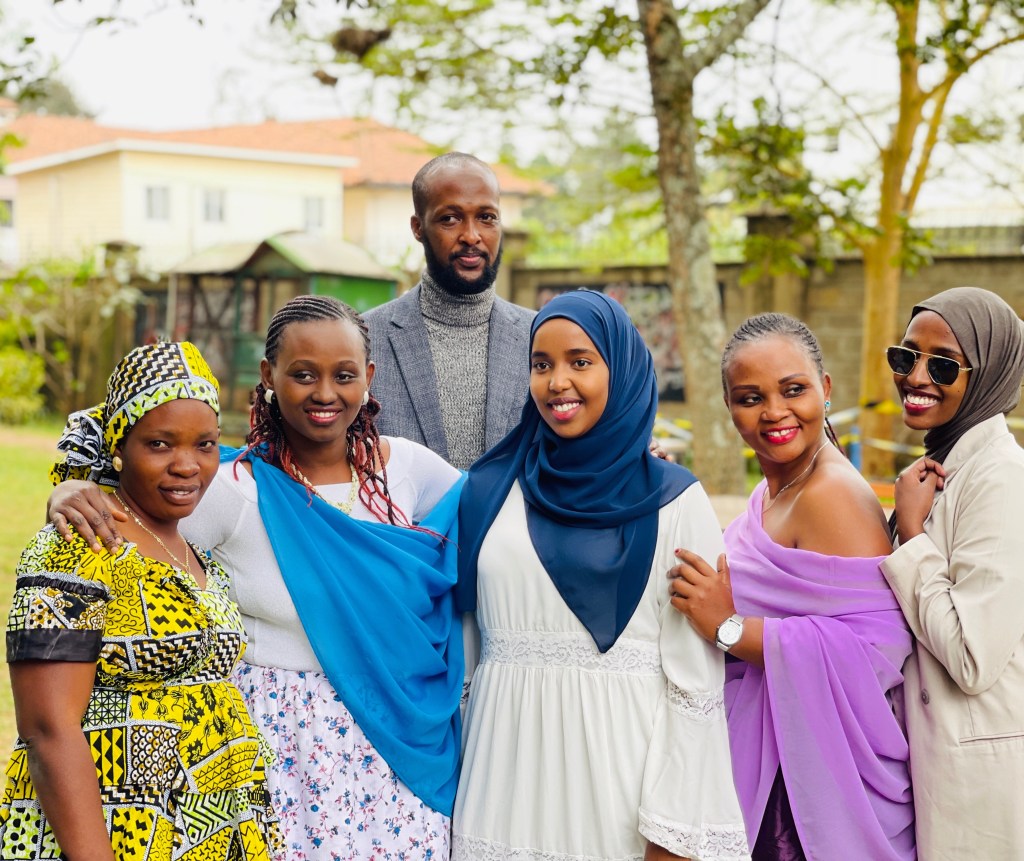
Yesterday was both world refugee day and Father’s Day. The responsibility fathers have is tremendously huge and even more for refugee fathers who carry the heaviest loads. Fathers lead their children down the path to adulthood in the hopes they leap beyond the boundaries and forge new ones. As a refugee that struggles every day to find something to eat, to find somewhere safe to stay, to protect his family, to be respected, and more importantly to have the space to develop into the person he could potentially be. Migration is a fact of human rights. It has always existed and it’s not a treat. We celebrated yesterday with International Labour Organization and extended our love to all those who find themselves seeking refuge due to forces beyond their control.
Refugee are not numbers, statistics. They are humans fleeing their homes due to wars, dictatorship, catastrophe, oppression, discrimination and poverty. They don’t choose to leave home. They flee because they have no other choice. They flee to give their children better futures.
Supporting refugees is important. Some people may fear that accepting refugees means that the native culture will disappear. That’s far from the truth! Refugees make communities throughout the entire nation more rich, tolerant and prosperous. They add the diversity and vibrate that very country’s needs.
Strength lies in differences not only in similarities. And yesterday I saw plenty of different cultural attires and food. At the food sector there was various stationeries serving cultural dishes. The first I went to was the Somali section. They had odkac, canjera, bariis, xalwo and buskud. Odkac is a Somali dish consisting of preserved meat which usually eaten with canjera. Bariis is rice and as for xalwo is a type of halva. It’s made from sugar, corn starch, cardamom powder, nutmeg powder, ghee, and sometimes peanuts.
The second section was the Ugandan, they served Pumpkin and Luwambo. Luwombo is a traditional Ugandan dish cooked within a banana leaf, is a party favorite. Preparing the dish is a detailed process, which requires cooking a sauce using a variety of ingredients and then carefully wrapping the mixture in a banana leaf pouch.
Afterward I went to try out Isombe Agatogo and Ibijumba from Burundi. Isombe is a Burundian traditional recipe which is primarily based on grinded cassava leaves, and a favourite dish in other African countries. It’s traditionally believed to be rich in iron, vitamins and other nutrients due to it’s a combination of leafy greens and beef.
Agatogo has many variations, the dish still includes plantains, some tomatoes (usually tomato paste), and meat, fish, or vegetables.
Then I had the Dinka south Sudanese food.
Kiera and okra. Okra a mixture soups, sauces, curries, and stew. It included
dried smoked fish.
Lastly I tasted the Ethiopian dish. Injera and Ethiopian soups. Injera is central to the dining process, like bread or rice. It’s usually eaten with a many different types of soups. Some of the dishes where new you to me while others I was familiar with. Tasting them all out was great fun.
This was a learning experience. There were wonderful speakers that shared interesting content with a really great presentation. Learning about refugees and their resilience really made my heart smile. I feel that it’s always important to try to learn something about everything and everything about something.

 It’s Ayans blog
Great blog its facisnating Masha Allah.
LikeLiked by 1 person
Thank you Mohamed
LikeLike